Key Takeaways
Understanding the Fundamentals of Top 10 Crypto Trading
Building a sustainable path in the crypto market starts with a clear understanding of how trading actually works. Many newcomers jump into the market hoping for quick gains, but long-term success requires a disciplined approach. By focusing on the core pillars of top 10 crypto trading, you can navigate the volatility of digital assets with much greater confidenc
The Importance of Risk Management for Beginners
Effective crypto risk management is the single most important skill for any new investor. You must prioritize the preservation of your capital above all else to survive market downturns. One of the best beginner crypto tips is to always use stop-loss orders, which automatically sell your assets if the price drops to a specific level. These tools act as a safety net, preventing emotional decisions during periods of high market stress. By limiting your potential losses on every trade, you ensure that you have enough capital to keep participating in the market. Protecting your initial investment is far more valuable than chasing high-risk, speculative gains.
Setting Realistic Financial Goals
Before you commit your hard-earned money, you need to define your specific crypto investment goals. These objectives should align perfectly with your personal risk tolerance and your intended time horizon. If you are investing for the long term, your strategy will look very different from someone looking for short-term profits. It is helpful to write down your targets and review them periodically to ensure you stay on track. Consistency is key, and having a clear roadmap helps you avoid the common pitfalls that lead to impulsive trading. Remember that patience often yields better results than trying to time the market perfectly.
Dollar-Cost Averaging for Long-Term Growth
Dollar-cost averaging serves as a foundational pillar for those looking to grow their portfolio steadily. This method allows you to build your holdings over time without the pressure of needing to time the market perfectly. By utilizing proven crypto trading strategies, you can focus on long-term accumulation rather than short-term gains.
How to Automate Your Crypto Purchases
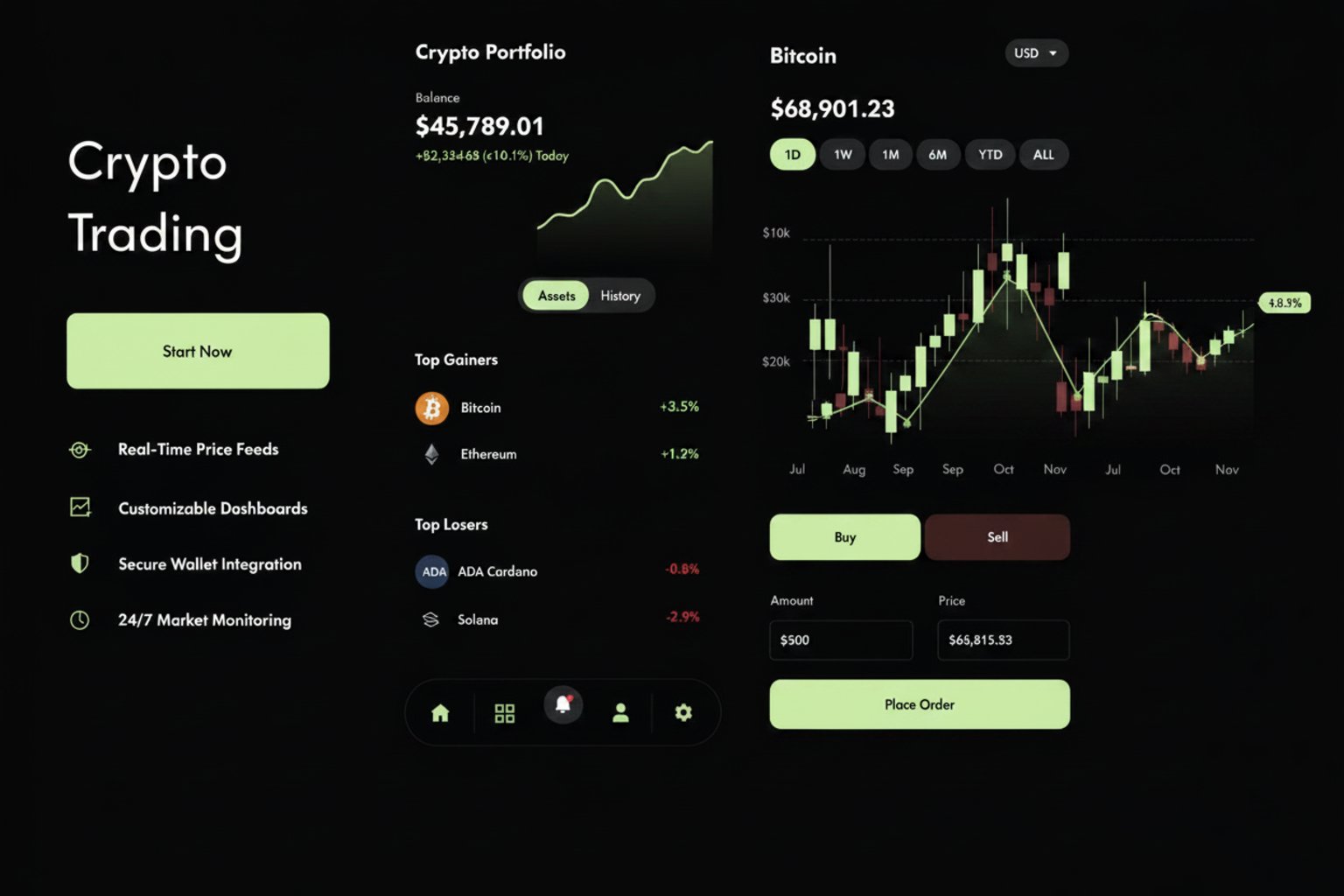
Modern exchanges make it incredibly easy to set up a recurring buy schedule. Through automated crypto investing, you can instruct your preferred platform to purchase a specific dollar amount of an asset at set intervals, such as weekly or monthly. This hands-off approach removes the emotional burden of manual trading. Once you configure your settings, the system handles the execution automatically. You simply need to ensure your account has sufficient funds to cover the scheduled transactions.
Mitigating Volatility Through Consistent Investing
One of the greatest challenges for new investors is crypto market volatility. Prices can swing wildly in a single day, which often leads to panic selling or poor decision-making. Consistent investing helps you smooth out these price fluctuations by purchasing more units when prices are low and fewer when prices are high. Over time, this process lowers your average cost per coin. It transforms the stress of market movement into a predictable routine that favors patience. You will find that staying the course is often more rewarding than attempting to predict short-term price movements..
Buy and Hold Strategy for Market Stability
The "buy and hold" approach remains a cornerstone for those seeking stability in the volatile crypto market. Often referred to as HODLing, this method focuses on the long-term appreciation of high-quality digital assets. It is one of the most effective beginner crypto tips for those who prefer a hands-off style and believe in the future of blockchain technology.
Selecting Assets with Strong Fundamentals
When you commit to long-term crypto holding, your selection process becomes the most critical step. You should look for projects that offer real-world utility and consistent adoption rates. A project with a transparent and robust development team is far more likely to survive market downturns. Avoid chasing hype or short-term trends that lack a solid foundation. Instead, focus on assets that solve genuine problems within the decentralized ecosystem. By prioritizing quality over quantity, you build a portfolio designed to withstand the test of time.
The Psychology of Long-Term Holding
Mastering your emotions is essential for successful crypto risk management. During periods of extreme market fear, the urge to sell can be overwhelming. Conversely, market euphoria often tempts investors to buy at the peak. Staying calm requires a clear understanding of your original crypto investment goals. Remember that volatility is a natural feature of this asset class, not a sign of failure. Maintaining a long-term perspective helps you ignore the noise and stay focused on your financial journey.
Swing Trading Techniques for Market Cycles
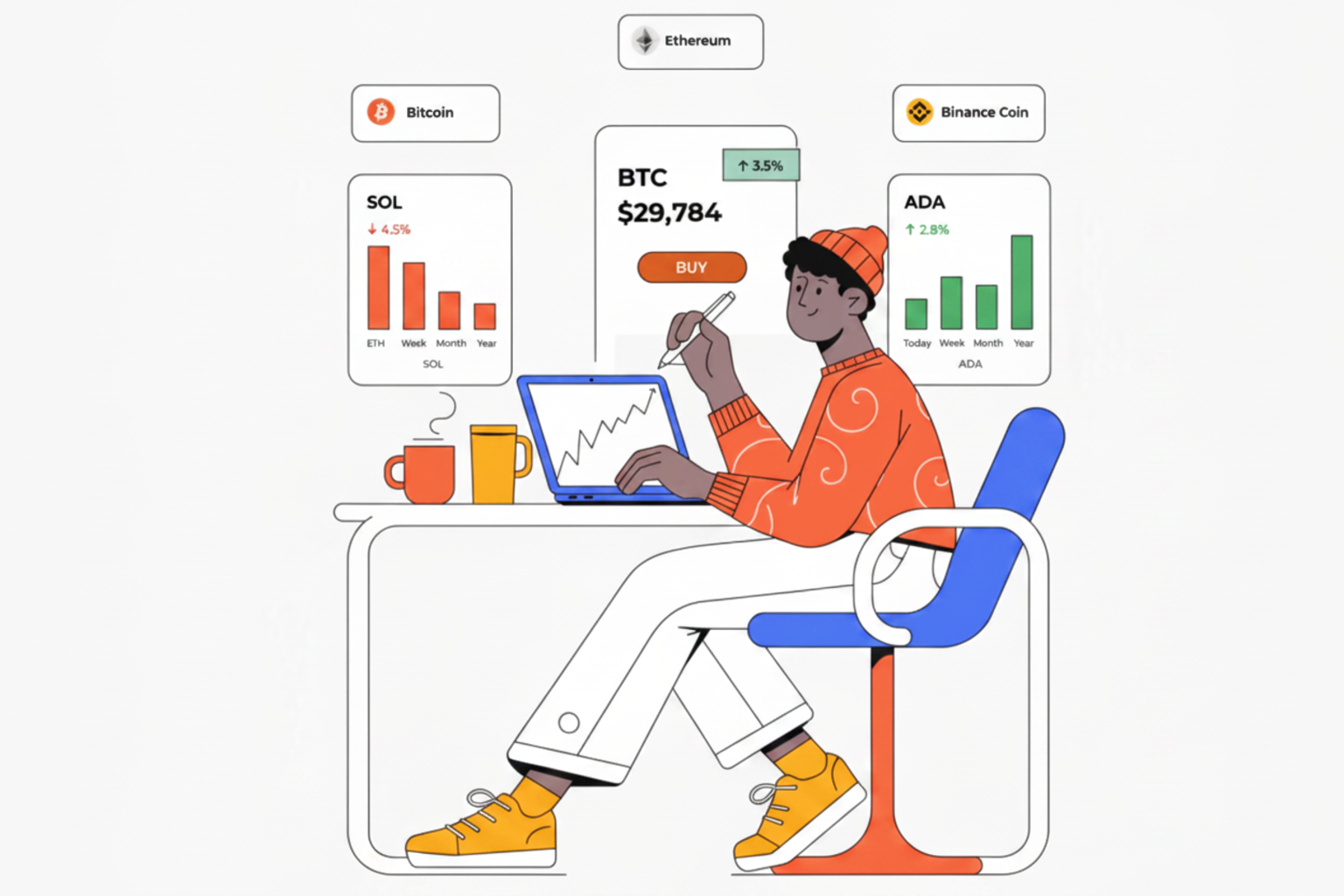
Swing trading offers a unique way to profit from the natural ebb and flow of the digital asset market. By focusing on price movements that occur over several days or weeks, you can effectively navigate crypto market volatility. This approach allows investors to capitalize on crypto market cycles without the stress of watching charts every single second. Successful swing trading crypto requires a blend of patience and analytical skill. You are essentially looking to catch the "swing" in price as sentiment shifts from fear to greed. This method provides a balanced middle ground between long-term holding and high-frequency day trading.
Identifying Support and Resistance Levels
To make informed decisions, you must master crypto technical analysis. The most effective way to do this is by identifying key areas where price action historically stalls or reverses. These zones are known as crypto support and resistance levels. Support acts as a floor where buying interest is strong enough to stop a price decline. Conversely, resistance acts as a ceiling where selling pressure prevents further upward movement. By drawing these lines on your charts, you can pinpoint high-probability entry and exit points.
Managing Trade Duration and Profit Targets
Once you enter a position, managing the duration of your trade is vital. You should have a clear plan for how long you intend to hold the asset before the trend potentially reverses. Setting clear profit targets ensures that you lock in your gains rather than letting a winning trade turn into a loss. It is helpful to compare different trading styles to see where swing trading fits into your personal strategy. The following table outlines the key differences between common approaches. Always remember that discipline is your greatest asset when managing these trades. Avoid the temptation to hold onto a losing position in hopes of a rebound. Stick to your pre-defined targets and let the market cycles work in your favor.
Day Trading Basics for Active Investors
Mastering the art of day trading crypto requires a blend of discipline, speed, and analytical precision. Unlike long-term strategies, this approach involves opening and closing positions within the same day to profit from small price fluctuations. It is a demanding path that requires you to stay glued to the charts while maintaining a clear head.
Utilizing Technical Indicators for Short-Term Gains
To succeed in this fast-paced environment, you must rely on crypto technical analysis to guide your decisions. Popular tools like the Relative Strength Index (RSI) help identify overbought or oversold conditions, signaling potential reversals. Meanwhile, Moving Averages provide a clearer picture of the current trend direction. Successful traders also pay close attention to crypto support and resistance levels. These price points act as psychological barriers where buying or selling pressure often intensifies. By combining these indicators, you can build a more robust framework for your daily trades.
The Risks of High-Frequency Trading
While the potential for profit is high, the risks associated with high-frequency trading are equally significant. You must be prepared for the possibility of rapid capital depletion if a trade moves against you unexpectedly. Lightning-fast execution is mandatory, and even a minor delay can lead to substantial losses. Many investors eventually look toward automated crypto investing to help mitigate the emotional stress of manual execution. However, even with automation, you must remain vigilant about market conditions. Always remember that active participation demands constant learning and a strict adherence to your personal risk management rules.
Portfolio Diversification Across Asset Classes
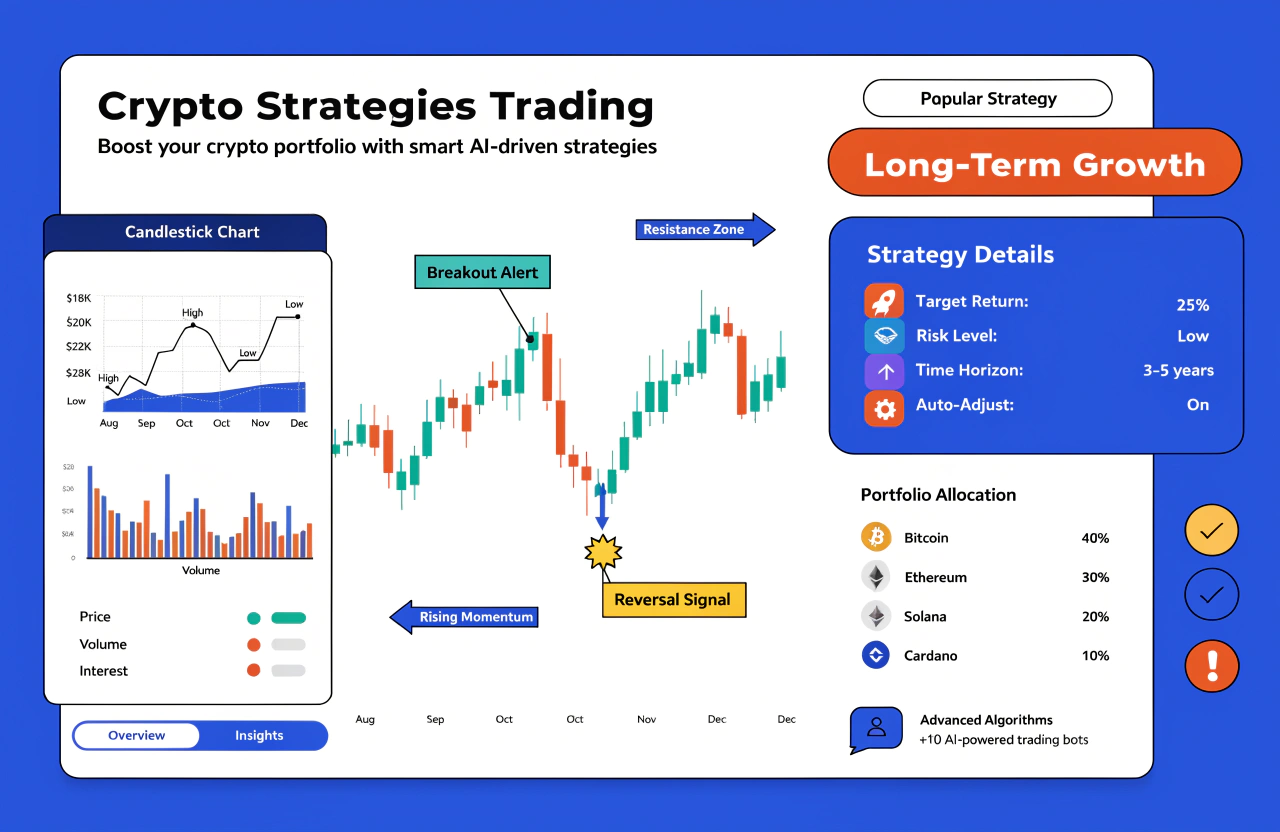
Effective crypto portfolio diversification acts as a vital shield against market volatility. By spreading your capital across different crypto asset classes, you protect your wealth from the unpredictable nature of digital markets. This approach is essential for anyone focused on long-term crypto holding.
Balancing Large-Cap and Small-Cap Cryptocurrencies
A healthy portfolio often combines stable, established coins with emerging projects. Large-cap assets, such as Bitcoin or Ethereum, typically provide a foundation of relative stability. They are the bedrock of many successful investment strategies. In contrast, small-cap cryptocurrencies offer higher growth potential but come with increased risk. You should aim to balance these to capture gains while keeping your overall risk profile manageable. Finding the right ratio depends entirely on your personal comfort with market swings.
Reducing Exposure to Single-Asset Failure
Relying on a single project is one of the most dangerous mistakes a new investor can make. If that specific project faces technical issues or regulatory hurdles, your entire investment could suffer. Diversification ensures that the failure of one asset does not ruin your financial future. By holding a variety of tokens across different sectors, you gain exposure to the broader growth of the blockchain ecosystem. This strategy helps you stay invested even when specific niches underperform. The following table highlights how different assets contribute to a balanced strategy.
Staking and Yield Farming for Passive Income
Generating passive income crypto is a popular goal for those who want to move beyond basic trading. While many people focus on the volatility of crypto market cycles, others prefer to put their idle assets to work. By participating in network validation or liquidity provision, you can earn consistent returns regardless of short-term price swings.
Understanding Proof-of-Stake Mechanisms
Proof-of-Stake (PoS) is a consensus mechanism that allows you to earn crypto staking rewards by locking your tokens in a wallet. Instead of using energy-intensive mining, these networks rely on validators to secure the blockchain. When you stake your assets, you are essentially helping the network verify transactions and maintain integrity. In return for your contribution, the protocol distributes newly minted tokens or transaction fees to your account. This process is often more predictable than day trading crypto, as it provides a steady stream of yield. It is a foundational method for building wealth without needing to monitor charts constantly.Evaluating Risks in Decentralized Finance
While decentralized finance crypto offers high potential returns, it is not without significant dangers. One of the primary concerns involves smart contract vulnerabilities, where bugs in the code can lead to a total loss of funds. Always research the security audits of any platform before you commit your capital. Another critical concept to understand is impermanent loss, which often affects those participating in crypto yield farming. This occurs when the price of your deposited assets changes compared to when you first provided liquidity. You must weigh these risks carefully against the expected crypto staking rewards to ensure your strategy remains profitable over time. Ultimately, crypto yield farming and staking require a disciplined approach to risk management. By diversifying your participation across different decentralized finance crypto protocols, you can better protect your portfolio from single-point failures. Always prioritize security over the highest possible percentage yield.